How Modular Homes Are Leading the Future of Sustainable Living in Australia
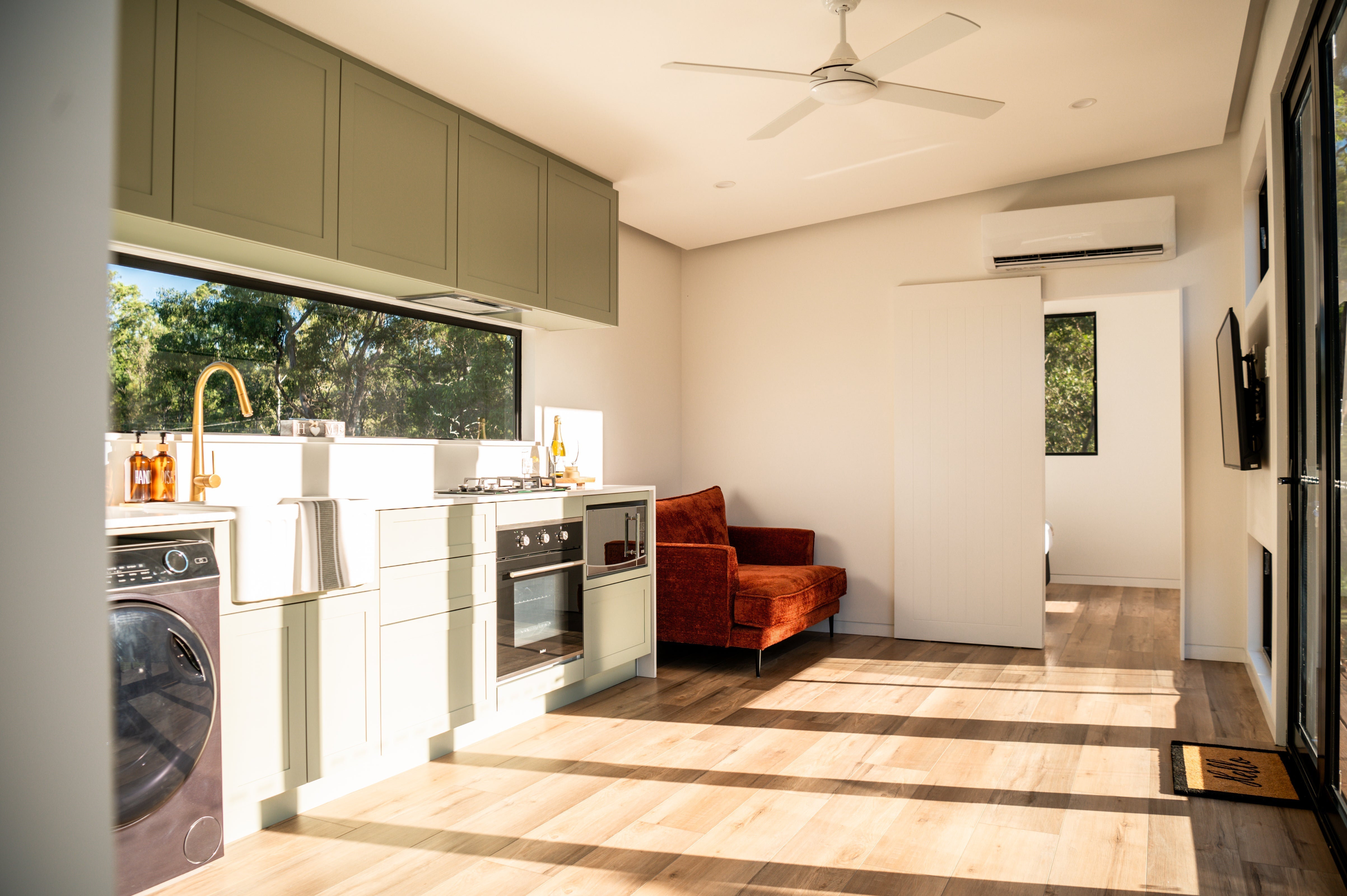
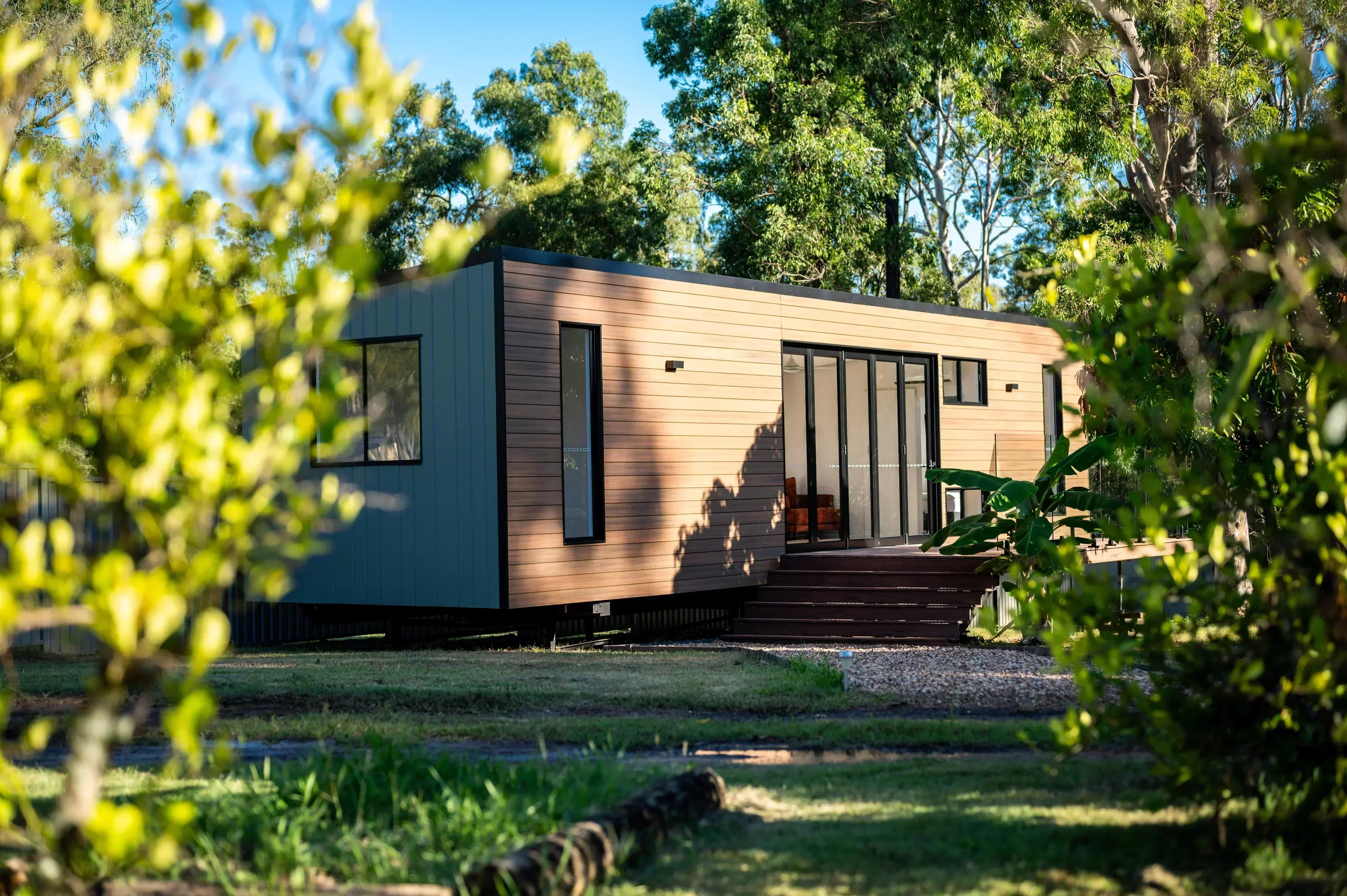
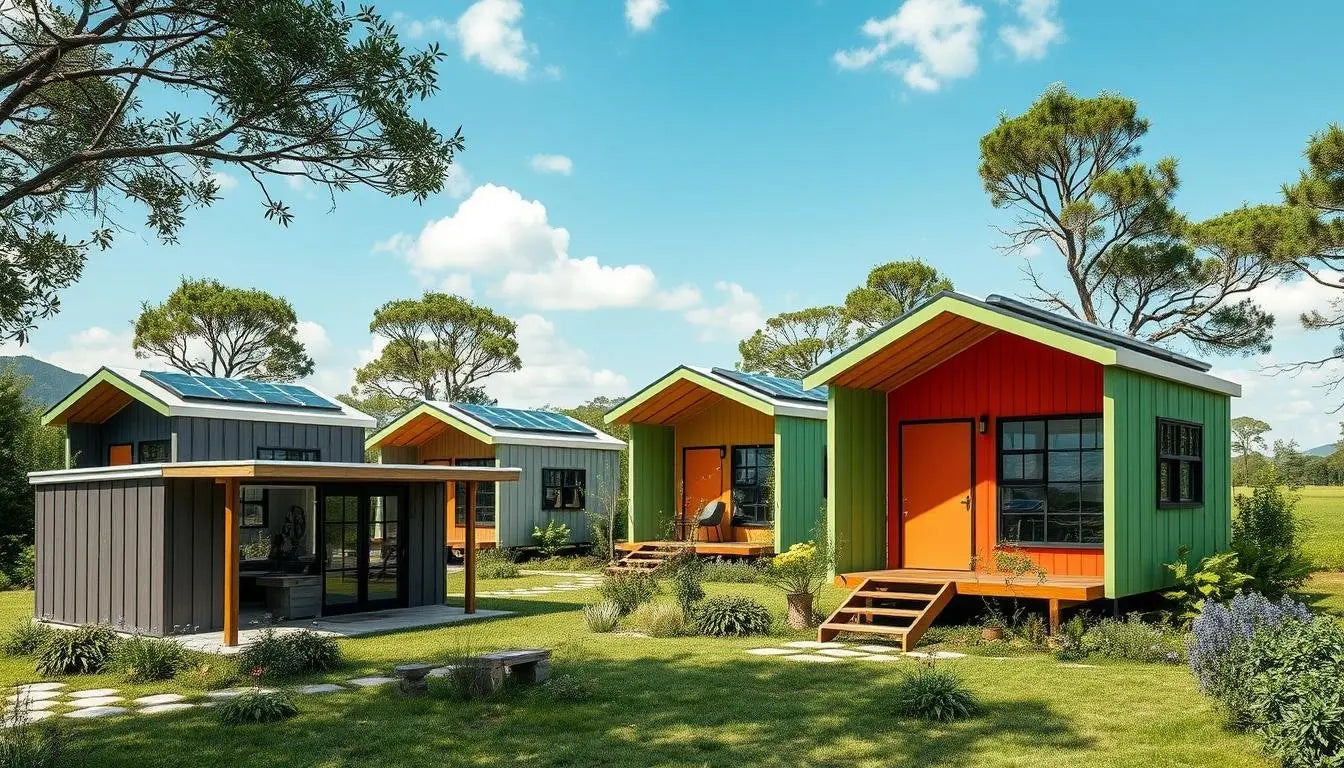
As Australia embraces greener living, the housing industry is shifting toward smarter, eco-friendly construction methods. Modern modular homes, offered by trusted builders like Bayleaf Modular Solutions, are becoming a preferred choice for Australians seeking sustainable, affordable, and future-ready living spaces. Their innovative design and reduced environmental impact make them a key player in shaping the future of sustainable housing.
1. Reduced Environmental Impact Through Efficient Construction
Traditional construction often leads to excessive waste, noise pollution, and long build timelines. Modular homes, however, are crafted in controlled factory environments, reducing material waste and overall carbon footprint. With companies like Bayleaf Modular Solutions, efficiency is supported by streamlined processes and reliable supplier chain systemsthat ensure responsible material sourcing and minimal wastage.
2. Superior Energy Efficiency for Long-Term Sustainability
Energy-efficient design is essential for sustainable living in Australia. Modular homes incorporate:
-
Quality insulation
-
Energy-efficient windows
-
Passive design elements
-
Airtight construction
These features help reduce cooling and heating demands significantly. The commitment to energy-smart living aligns with Bayleaf’s modern approach to modular design, often showcased in their detailed guides and insights, such as their article on luxury modular homes transforming Australian architecture
3. Built with Eco-Friendly & Recyclable Materials
Modular homes use environmentally conscious materials that support long-term sustainability, including recycled steel, responsibly sourced timber, and low-VOC products. These eco-friendly materials enhance durability while reducing ecological impact an approach central to Bayleaf’s philosophy and construction practices.
4. Faster Construction Minimises Carbon Footprint
With most construction completed off-site, modular building reduces disruption to the environment, especially in regional or sensitive areas. Fewer site visits, reduced machinery use, and optimised manufacturing processes mean a significantly smaller carbon footprint compared to on-site builds.
5. Designed for Australia’s Climate & Sustainability Standards
Australia’s diverse climate demands flexible, climate-ready solutions. Modular homes can be equipped with:
-
Bushfire-resistant materials
-
Cyclone-rated structures
-
Enhanced thermal performance systems
These features create homes that are not only eco-friendly but also resilient. Builders like Bayleaf Modular Solutions ensure their designs meet strict sustainability and climate durability requirements.
6. Supporting a Circular Economy for the Future
Modular construction plays a major role in advancing Australia’s circular economy. Many components can be reused or relocated, reducing the need for demolition and new raw materials. This promotes long-term environmental responsibility and reduces landfill waste one of the core values behind Bayleaf’s modular innovation.
7. Affordable, Sustainable Living for More Australians
Sustainable living doesn’t need to come with a high price tag. Modular homes offer cost savings through faster builds, reduced labour, and lower energy usage. This makes eco-friendly housing more accessible for young families, retirees, and first-home buyers looking for smarter, greener living options across Australia.
Final Thoughts
As Australia continues to prioritise environmental responsibility, modular homes are emerging as the future of sustainable living. With innovative builders like Bayleaf Modular Solutions leading the way, modular homes deliver improved efficiency, reduced waste, and exceptional long-term performance, making them one of the most sustainable housing choices available today.