Article: Why Modular Homes Are Ideal for Coastal Living in Australia
Why Modular Homes Are Ideal for Coastal Living in Australia
Australia’s coastline is famous for its breathtaking views, relaxed lifestyle, and strong connection to nature. From Queensland’s tropical beaches to the rugged beauty of Western Australia and the peaceful shores of New South Wales, coastal living is a dream for many Australians. However, building or maintaining homes near the ocean comes with unique challenges such as harsh weather, corrosion, moisture exposure, and strict building regulations.
This is where modular homes are gaining popularity. With advanced engineering, durable materials, and flexible designs, modular construction is becoming one of the smartest solutions for coastal housing across Australia.
The Growing Appeal of Coastal Living in Australia
Coastal living offers unmatched lifestyle benefits. Residents enjoy cleaner air, scenic surroundings, and easy access to beaches and outdoor activities. Many homeowners are also relocating to coastal suburbs to achieve a better work-life balance, especially with remote and hybrid work becoming more common.
However, traditional construction methods often struggle to keep up with the demands of coastal environments. Factors such as salt exposure, high winds, humidity, and shifting ground conditions can impact structural integrity and long-term durability. Modular homes address many of these concerns through precision manufacturing and carefully selected materials.
Built to Withstand Harsh Coastal Conditions
One of the biggest advantages of modular homes is their structural reliability. Homes built near the coast must handle strong winds, storms, and high humidity levels. Modular construction techniques allow for tighter quality control because major components are built in controlled factory environments before being transported to the site.
This process ensures:
-
Stronger structural framing
-
Better sealing and insulation
-
Reduced exposure to weather during construction
-
Improved consistency in build quality
Modular homes can also be customised to meet regional coastal building requirements, ensuring safety and long-term performance. Homeowners exploring flexible coastal housing layouts can consider design options such as spacious family-friendly homes.
Faster Construction Reduces Weather Risks
Coastal areas often experience unpredictable weather conditions that can delay traditional building projects. Rain, storms, and strong winds can significantly extend construction timelines.
Modular homes offer a faster and more efficient alternative because site preparation and home construction occur simultaneously. While foundations are prepared on-site, the home modules are manufactured off-site. Once completed, the modules are assembled quickly, reducing exposure to environmental elements.
This streamlined process allows homeowners to move into their coastal property sooner while minimising construction-related disruptions.
Superior Moisture and Corrosion Resistance
Salt air and humidity are among the biggest challenges for coastal homes. Over time, salt exposure can cause corrosion in structural components, fittings, and finishes.
Modern modular homes use materials designed specifically to resist these conditions. Proper sealing, ventilation systems, and moisture-resistant finishes help protect the structure and improve indoor comfort.
For homeowners looking for adaptable interior designs that support coastal durability, customised modular options provide flexibility in material selection and layout planning
Flexible Designs for Coastal Lifestyles
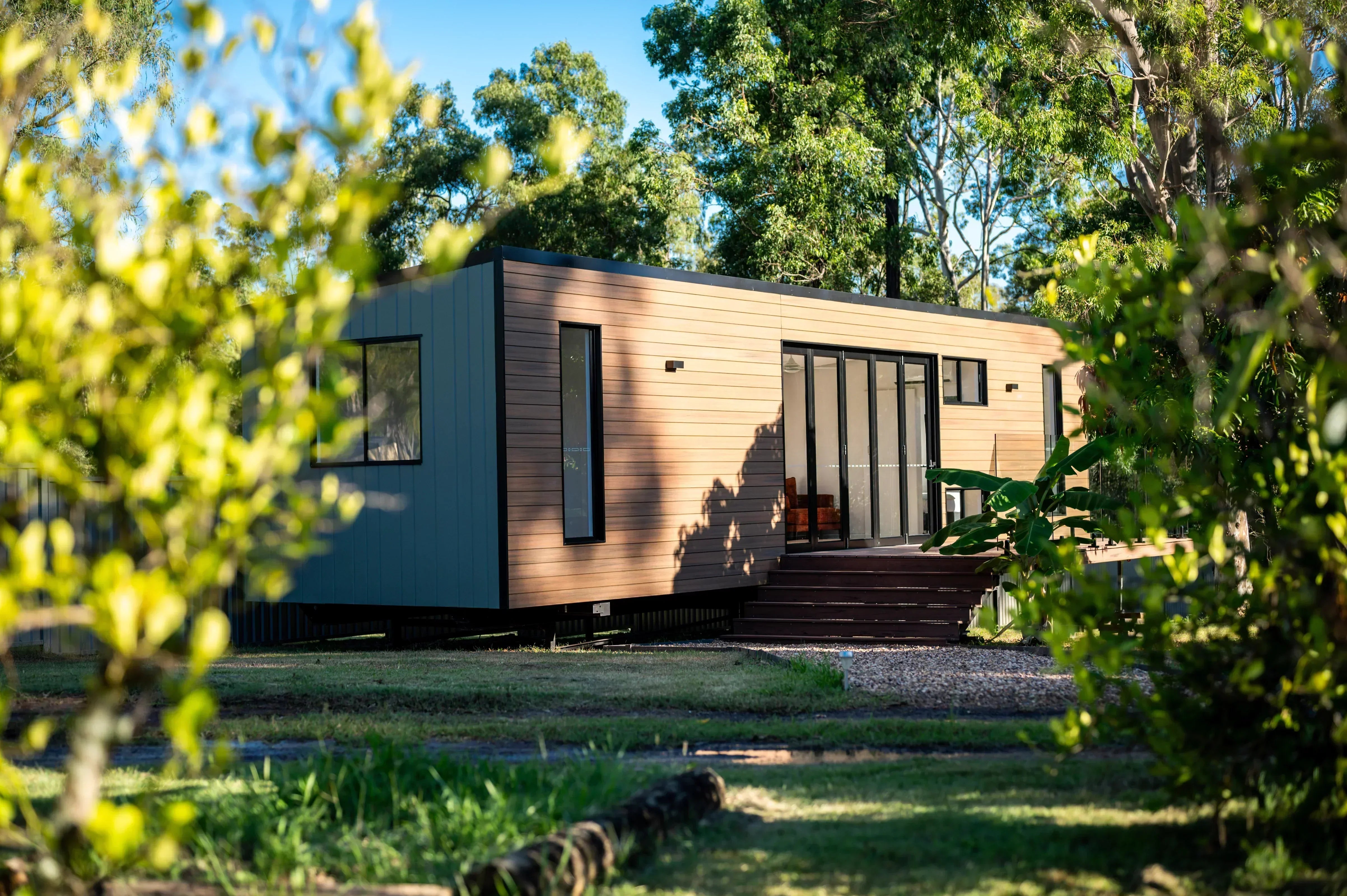
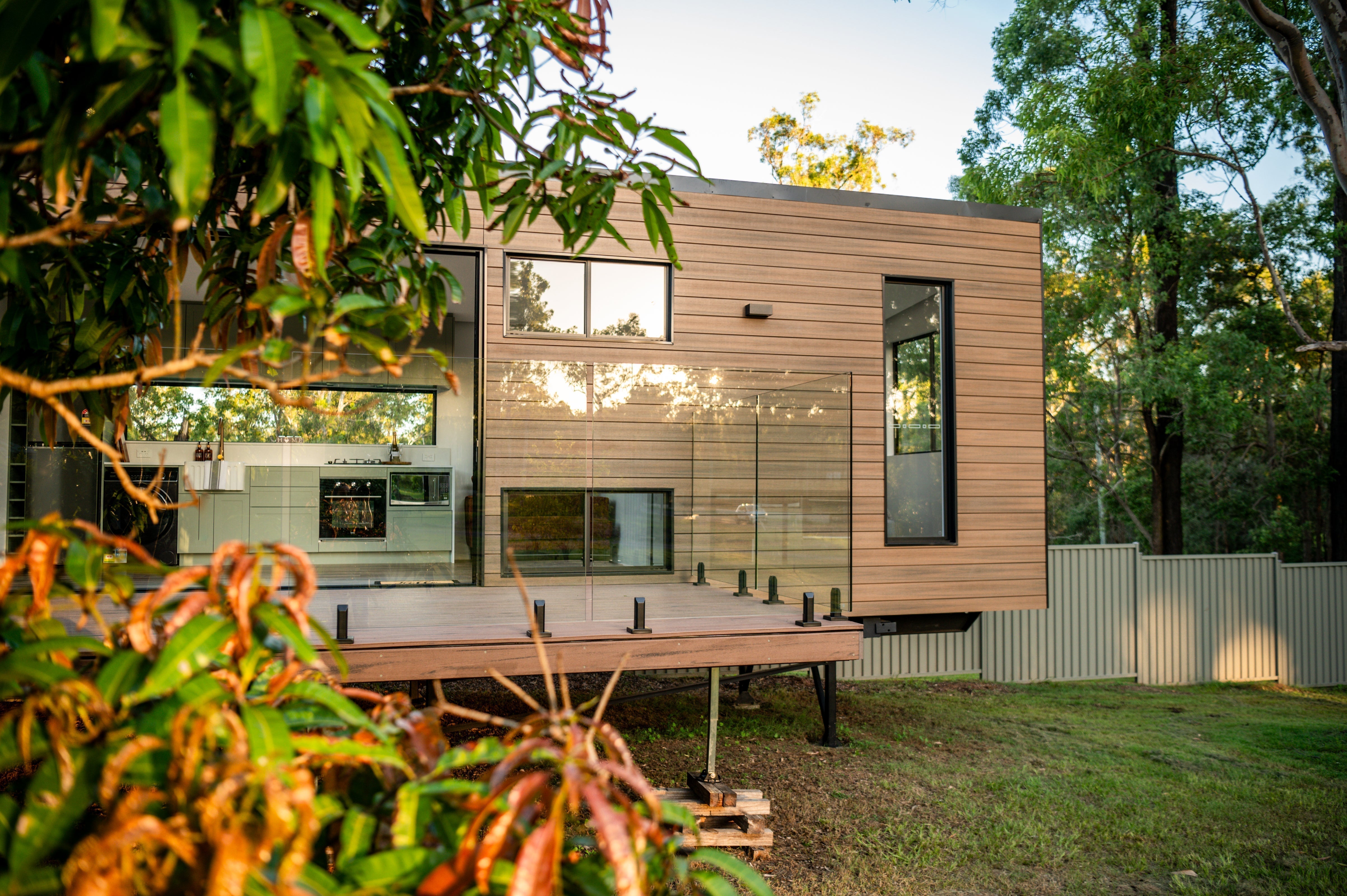
Coastal living is often associated with open spaces, natural light, and seamless indoor-outdoor connections. Modular homes offer exceptional design flexibility, allowing homeowners to customise layouts according to lifestyle preferences and block conditions.
Whether it’s a compact beachside retreat or a spacious family residence, modular homes can be tailored to suit various needs. Smaller layouts are ideal for holiday homes or investment properties, while larger designs cater to growing families or multi-generational living.
Examples of adaptable coastal-friendly layouts include:
-
Compact and efficient living solutions for individuals or couples
-
Versatile mid-sized homes that balance comfort and functionality
This flexibility ensures modular homes can meet both lifestyle and environmental requirements.
Energy Efficiency Supports Sustainable Coastal Living
Coastal homeowners are increasingly prioritising sustainability. Modular homes naturally support energy efficiency through precise manufacturing techniques and modern insulation systems.
Key energy-saving features often include:
-
High-performance insulation
-
Double-glazed windows
-
Smart ventilation systems
-
Solar energy compatibility
-
Sustainable building materials
These features help maintain comfortable indoor temperatures while reducing energy consumption. In coastal regions where temperatures and humidity fluctuate, energy-efficient design improves overall comfort and reduces long-term operating costs.
Reduced Environmental Impact
Protecting coastal ecosystems is essential for preserving Australia’s natural beauty. Traditional construction can generate significant site waste and environmental disruption.
Modular construction supports sustainability by:
-
Reducing construction waste through factory-controlled processes
-
Minimising site disturbance
-
Lowering transportation and labour-related emissions
-
Supporting environmentally responsible material selection
This environmentally conscious approach makes modular homes particularly appealing for coastal developments where ecological preservation is a priority.
Cost Predictability and Long-Term Value
Building near the coast can be expensive due to specialised materials, site access challenges, and compliance requirements. Modular homes help improve cost predictability because manufacturing occurs in a controlled environment, reducing unexpected expenses and delays.
Additionally, modular homes are designed for durability, which lowers maintenance and repair costs over time. For coastal homeowners, investing in corrosion-resistant materials and precision construction can significantly extend property lifespan and maintain resale value.
Compliance with Australian Coastal Building Standards
Coastal homes must comply with strict building regulations, including wind ratings, cyclone resistance in certain regions, and environmental guidelines. Modular home construction is well suited to meeting these standards because designs are engineered and tested before manufacturing begins.
Working with experienced modular builders ensures homes are tailored to local council requirements, climate conditions, and site characteristics, making the approval and construction process smoother.
Homeowners seeking complete modular housing solutions can explore comprehensive options offered by Bayleaf Modular Solutions
A Smart Future for Coastal Housing
Australia’s coastal regions continue to attract homeowners seeking lifestyle improvements, investment opportunities, and retirement living. As environmental conditions become more challenging, the demand for durable, efficient, and flexible housing solutions is growing.
Modular homes provide a practical and forward-thinking solution by combining advanced construction techniques with lifestyle-focused design. Their ability to deliver faster builds, better durability, and sustainable performance makes them an excellent choice for coastal living across Australia.
Conclusion
Coastal living in Australia offers incredible lifestyle benefits, but it also demands homes that can withstand environmental challenges. Modular homes provide strong structural performance, moisture resistance, energy efficiency, and design flexibility, making them ideally suited for seaside environments.
From compact retreats to spacious family residences, modular construction offers solutions tailored to modern coastal lifestyles. To explore customisable modular housing options designed for Australian conditions, visit Bayleaf Modular Solutions.