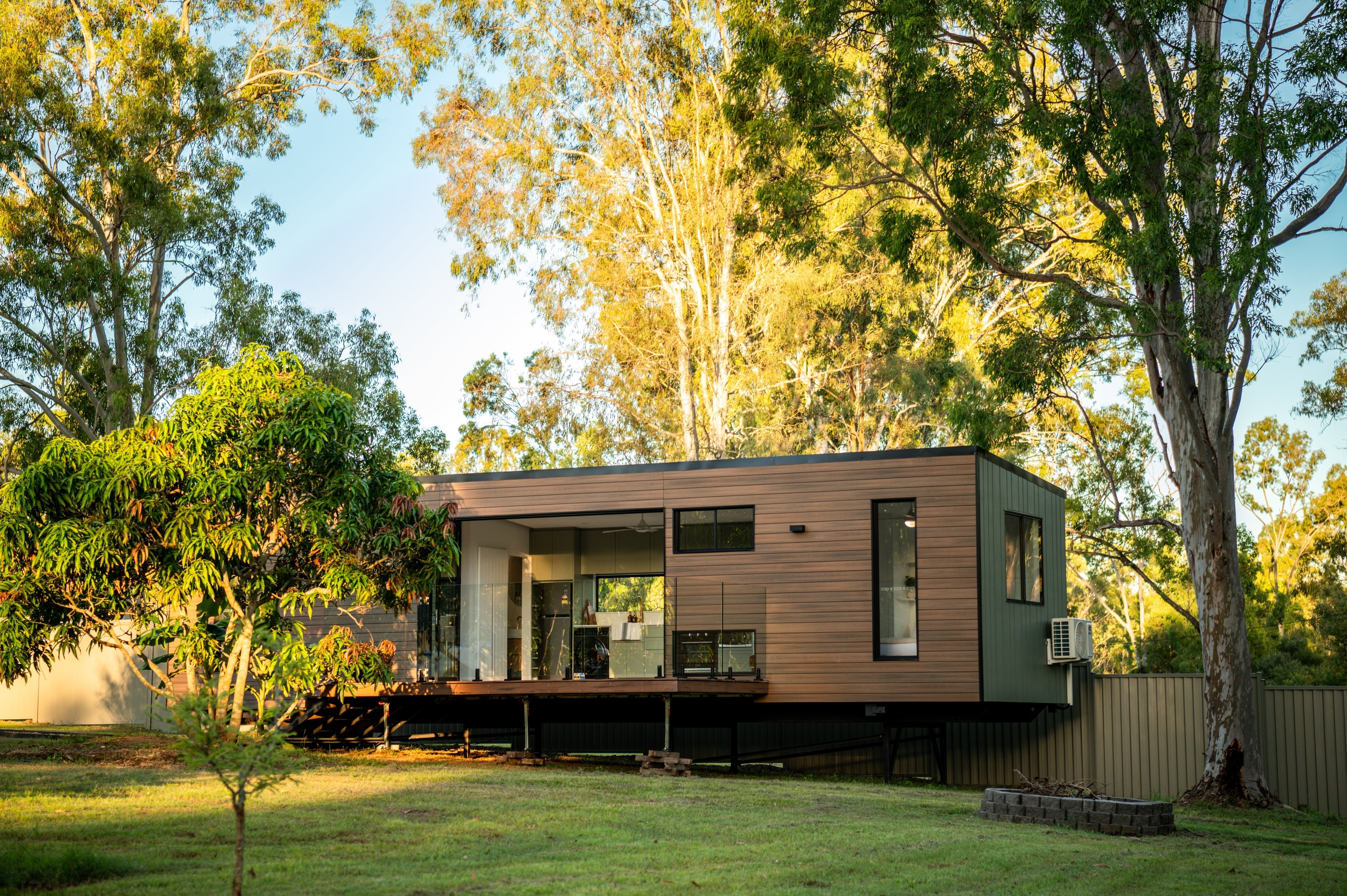
Modular Homes vs. Traditional Homes: Which Option Suits Your Lifestyle?
Choosing the right type of home is one of the biggest lifestyle decisions you’ll ever make. With modern innovations in the building industry, Australians are now considering alternatives to traditional homes especially modern modular homes, which offer flexibility, speed, and long-term value.
Both modular and traditional homes have their strengths, but understanding the differences will help you select the best option for your lifestyle, budget, and future needs. Let’s explore how they compare in design, construction, cost, sustainability, and living experience.
What Are Modular Homes?
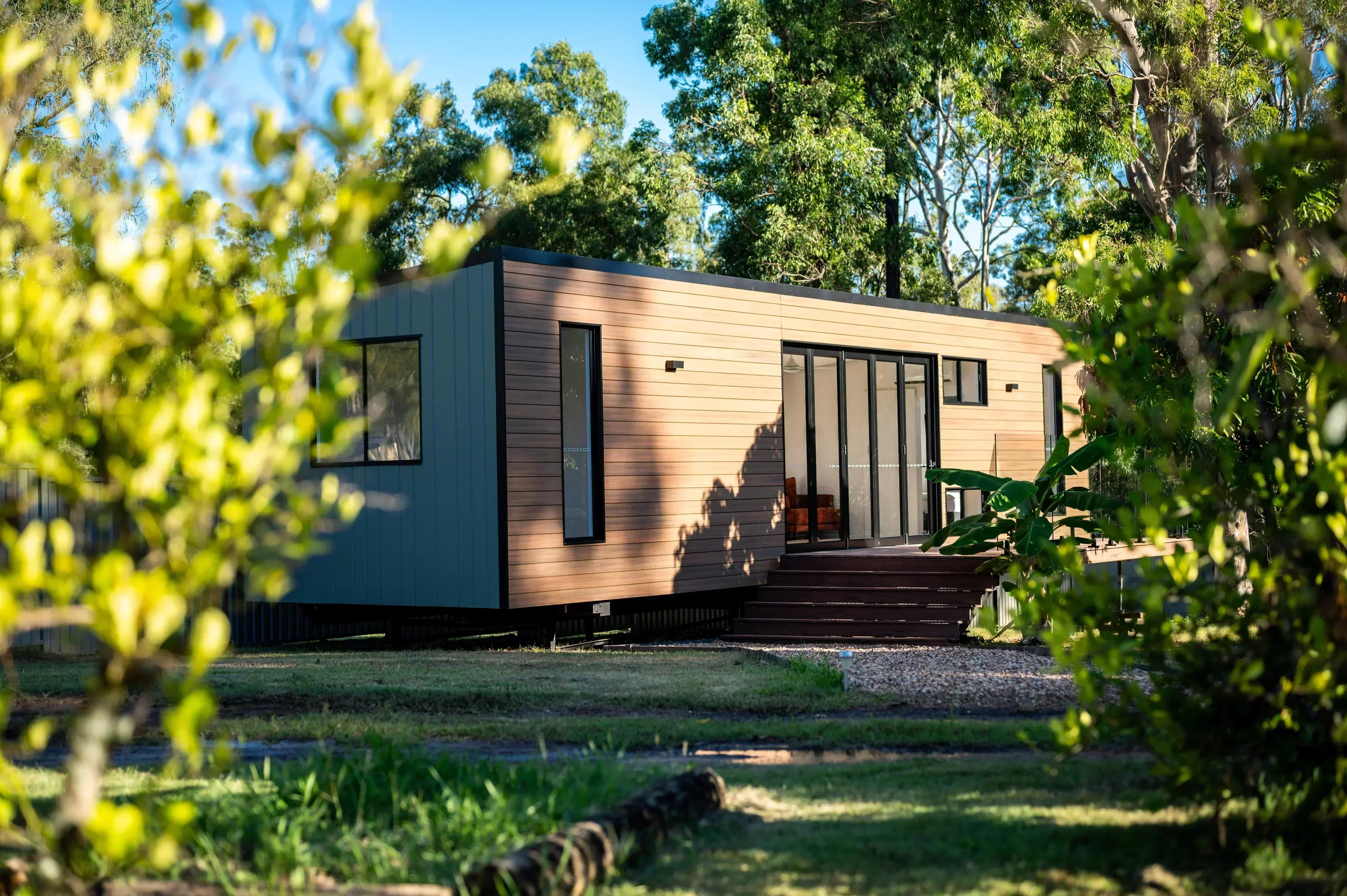
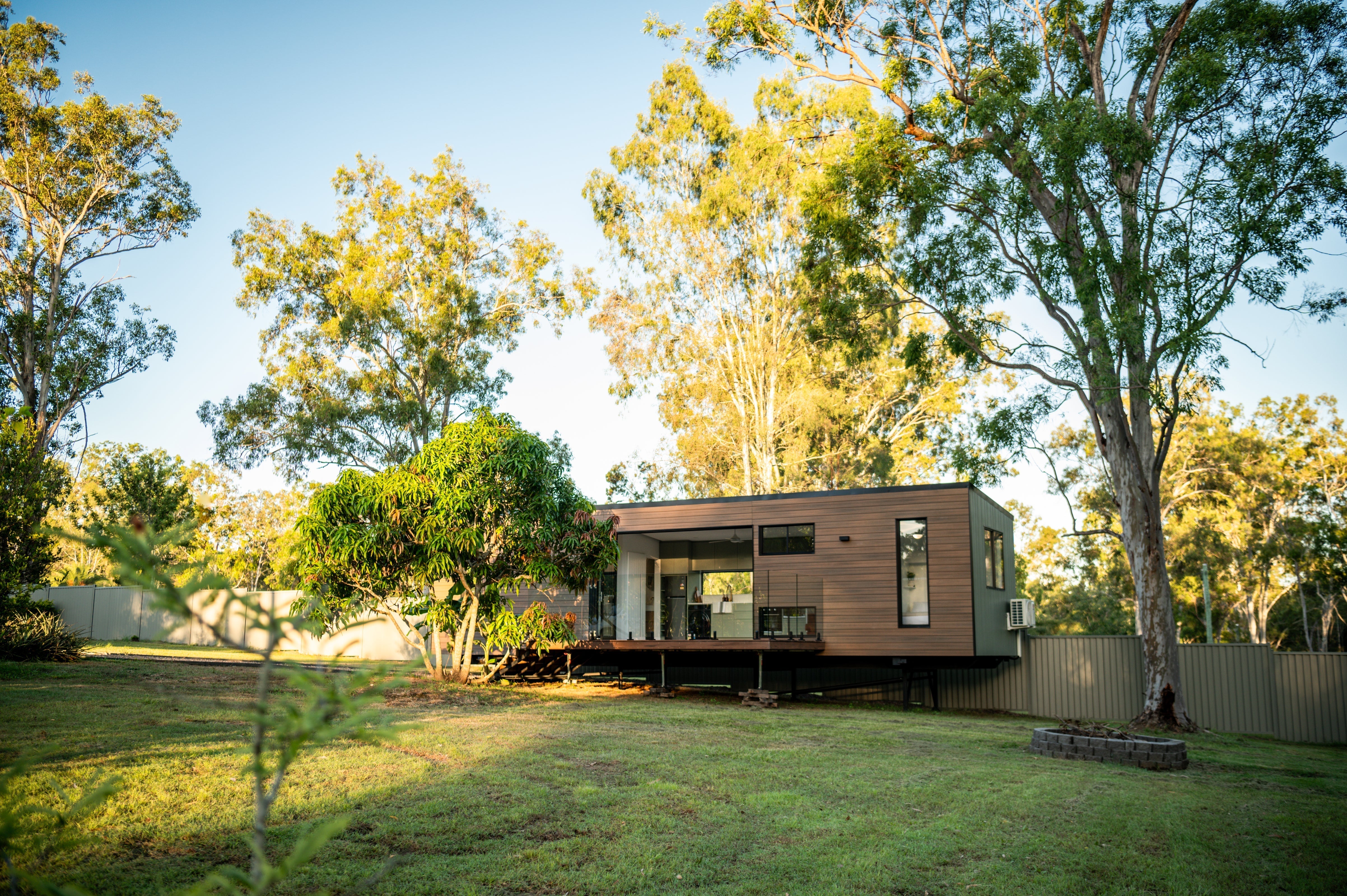
Modular homes are built in sections inside a controlled factory environment. These modules are then transported and assembled on-site. This method ensures precision, efficiency, and superior construction quality.
Compared to traditional, on-site building methods, modular construction offers a faster and more predictable building experience.
What Are Traditional Homes?
Traditional homes are constructed entirely on-site, using materials transported to the location. Builders work through each stage framing, roofing, electrical, plumbing, and finishing directly on the property.
This method offers design freedom but often comes with longer timelines, higher labour costs, and weather-related delays.
Key Differences Between Modular and Traditional Homes
1. Construction Time
Modular Homes
-
Built 30–50% faster
-
Weather-proof construction ensures predictable timelines
-
Modules are completed in the factory while site preparation happens simultaneously
Traditional Homes
-
Extended timelines due to weather, labour availability, and on-site scheduling
-
Complex projects may take several months or more
2. Cost & Budget Control
Modular Homes
-
Factory efficiency reduces material waste
-
Budget certainty pricing is usually fixed
-
Lower labour and overhead costs
Traditional Homes
-
Labour-intensive
-
Higher potential for cost overruns
-
More trades required on-site
3. Design Flexibility
Modular Homes
-
Wide range of customisable layouts
-
Options to expand or add modules later
-
Smart, efficient layouts
Traditional Homes
-
Complete architectural freedom
-
Ideal for complex or unusual land shapes
4. Sustainability & Energy Efficiency
Modular Homes
-
Precision-built to reduce waste
-
Highly insulated and energy-efficient
-
Better integration of green features
Traditional Homes
-
Waste levels vary
-
Sustainability depends on builder practices
5. Build Quality
Modular Homes
-
Factory-controlled quality checks
-
Reduced risk of defects or weather damage
Traditional Homes
-
Quality varies with trades and conditions
6. Long-Term Value
Modular Homes
-
Durable and built to national codes
-
Low maintenance
-
Growing demand in Australia
Traditional Homes
-
Familiar construction style
-
Value depends on design and location
Which One Should You Choose?
Choose a Modular Home If You Want:
-
Faster construction
-
Cost-effective building
-
Sustainable, energy-efficient living
-
Future-ready layouts
-
Less on-site disruption
Choose a Traditional Home If You Want:
-
Unlimited design freedom
-
Complex architectural features
-
Familiar construction methods
Why Choose Bayleaf Modular Solutions
At Bayleaf Modular Solutions, we specialise in delivering modern modular homes that combine innovation, durability, and outstanding design. Our commitment to precision engineering and sustainability ensures every home offers superior comfort, style, and long-term performance.
Whether you’re building your first home or upgrading to a smarter living solution, modular living provides a future-proof, efficient, and beautifully designed option.