How Long Do Modular Homes Last?
Understanding Lifespan & Durability in the Australian Climate
“A well-built home doesn’t just shelter you—it protects your future.”
One of the most common questions Australian homebuyers ask is: “How long do modular homes actually last?”
With myths floating around about modular homes being “temporary” or “less durable,” many people are unsure if modular construction can stand the test of time—especially against Australia’s harsh climate conditions.
The truth?
A well-built modular home can last 50–100+ years, often longer than some traditionally built homes.
In this expert-backed blog, we’ll break down the real lifespan of modular homes, what influences durability, and why modular construction is becoming a long-term favourite in Australia.
Do Modular Homes Last as Long as Traditional Homes?
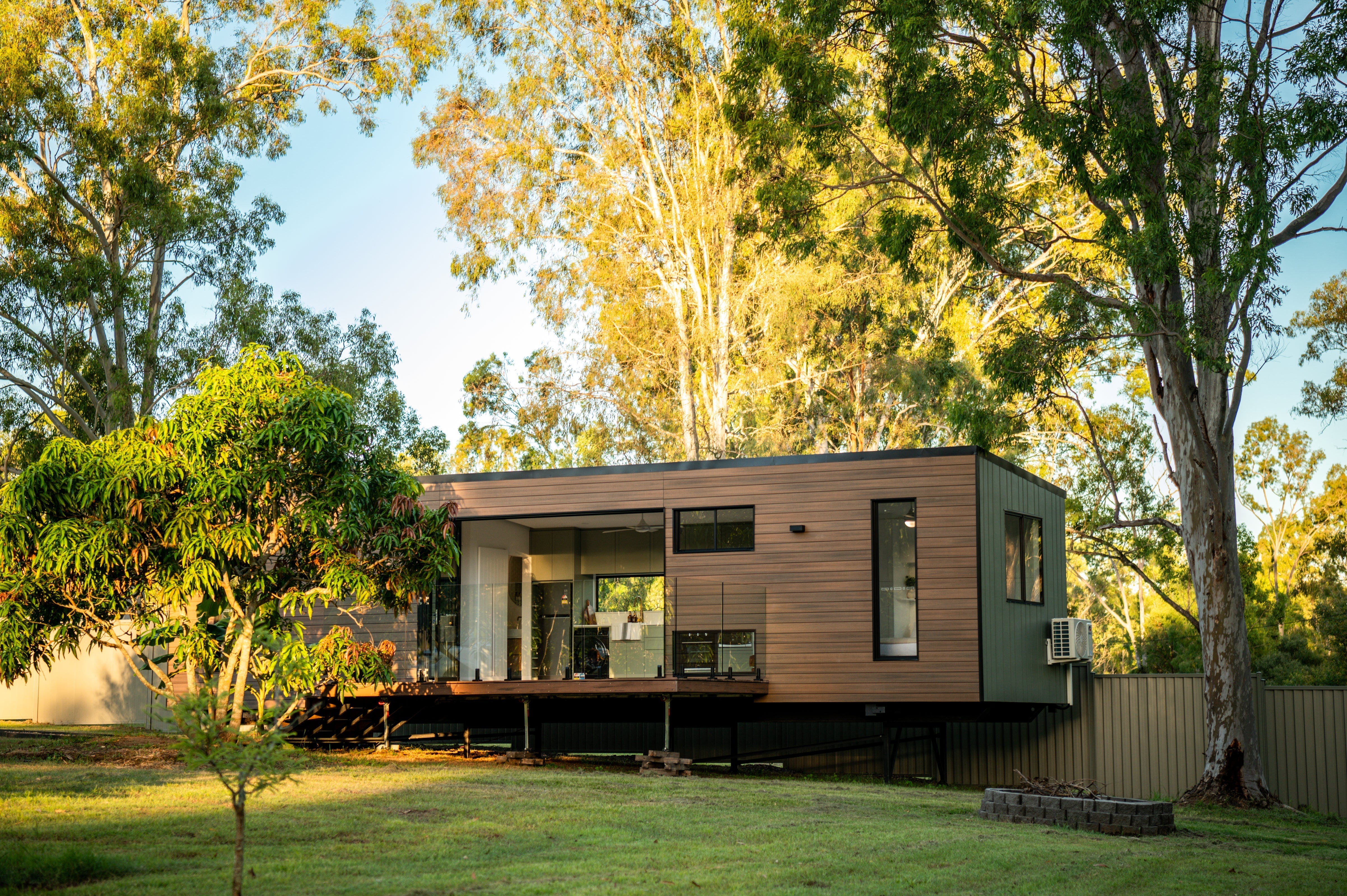
Yes—modular homes can last just as long as traditional homes, and often longer.
This is mainly because:
-
They are built in controlled factory environments, eliminating weather-related defects.
-
They use engineer-certified designs that must meet or exceed Australian Building Code requirements.
-
Materials are protected from moisture, warping, and contamination during construction.
Where many believe modular homes are temporary, the industry reality is that:
A certified modular home is a permanent home—not a relocatable cabin or tiny home.
How Modular Homes Are Built for Durability
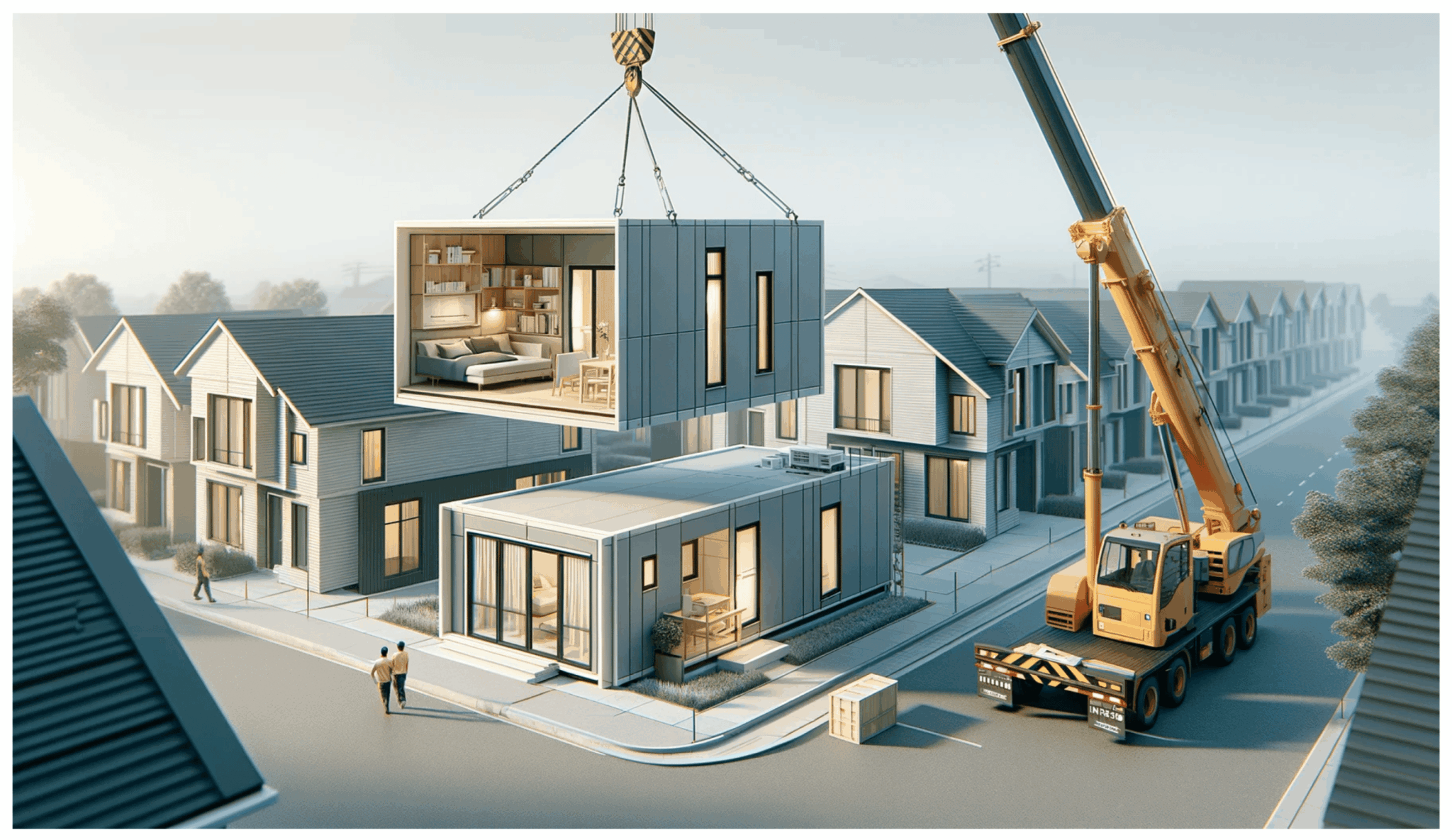
Because modular homes are manufactured off-site, builders achieve accuracy and consistency that’s hard to replicate in on-site builds.
Key durability advantages:
Factory Precision
Every module is built using:
-
Laser-levelled machinery
-
Controlled humidity and temperature
-
Strict quality control checkpoints
No rain, heat, or dust compromises the structure during construction.
Stronger Frames & Joinery
Modules are engineered to be transported and craned into position.
This means:
-
Extra bracing
-
Heavier-duty frames
-
Reinforced joints
Ironically, transportation requirements make them stronger than many on-site homes.
Quality Engineering
Engineering to meet NCC, BAL, N ratings, cyclone or flood standards ensures long-term structural integrity.
Factors That Influence Lifespan
Just like any home, durability depends on:
Quality of materials High-grade steel frames, fibre cement cladding, metal roofing, and durable insulation increase lifespan dramatically.
Foundation design A stable footing system ensures longevity across different soil types—from clay in Victoria to sandy soil in WA.
Maintenance A minimal but regular maintenance routine (like checking gutters and repainting surfaces) keeps any home lasting longer.
Environmental exposure Homes in coastal regions need corrosion-resistant materials, while rural properties may require bushfire-rated upgrades.
Durability in Australian Conditions
Australia has some of the toughest building environments in the world.
Modular homes respond well to all major conditions:
Cyclonic Regions (QLD, NT, WA)
Modular homes engineered to C2/C3 survive extreme wind loading thanks to reinforced modules.
Bushfire Zones (NSW, VIC, SA)
BAL-rated designs use fibre cement, metal cladding, ember-proof vents, and double glazing.
Flood-Prone Areas
Elevated modular systems reduce water damage and mould risks.
Hot, Dry Regions
Factory-sealed insulation ensures energy efficiency and prevents wall or roof warping.
Thanks to controlled factory construction, modular homes begin their lifespan in perfect condition—unlike traditional builds which may already have weather damage before completion.
Maintenance Tips to Maximise Lifespan
Modular homes have low maintenance needs, but the following tips will extend their life:
-
Clean gutters every season
-
Recoat exterior surfaces every 7–10 years
-
Check for sealant gaps around windows every few years
-
Maintain proper drainage away from the foundation
-
Avoid planting trees too close to the structure
This is no more effort than a standard Australian home—and often less.
Final Thoughts: A Smart Long-Term Investment
With advancements in engineering, materials, and factory precision, modular homes in Australia easily achieve a 50–100+ year lifespan. They meet the same standards as traditional homes—and often exceed them.
In many cases, modular homes offer:
-
Better structural integrity
-
Higher energy efficiency
-
More resistance to weather damage
-
Faster completion times
-
Lower lifetime maintenance
If longevity is a priority, modular homes are not just a viable option—they are a future-proof investment for Australian families.