Where Modular Construction Is Growing Fast: High-Demand Regions in Australia
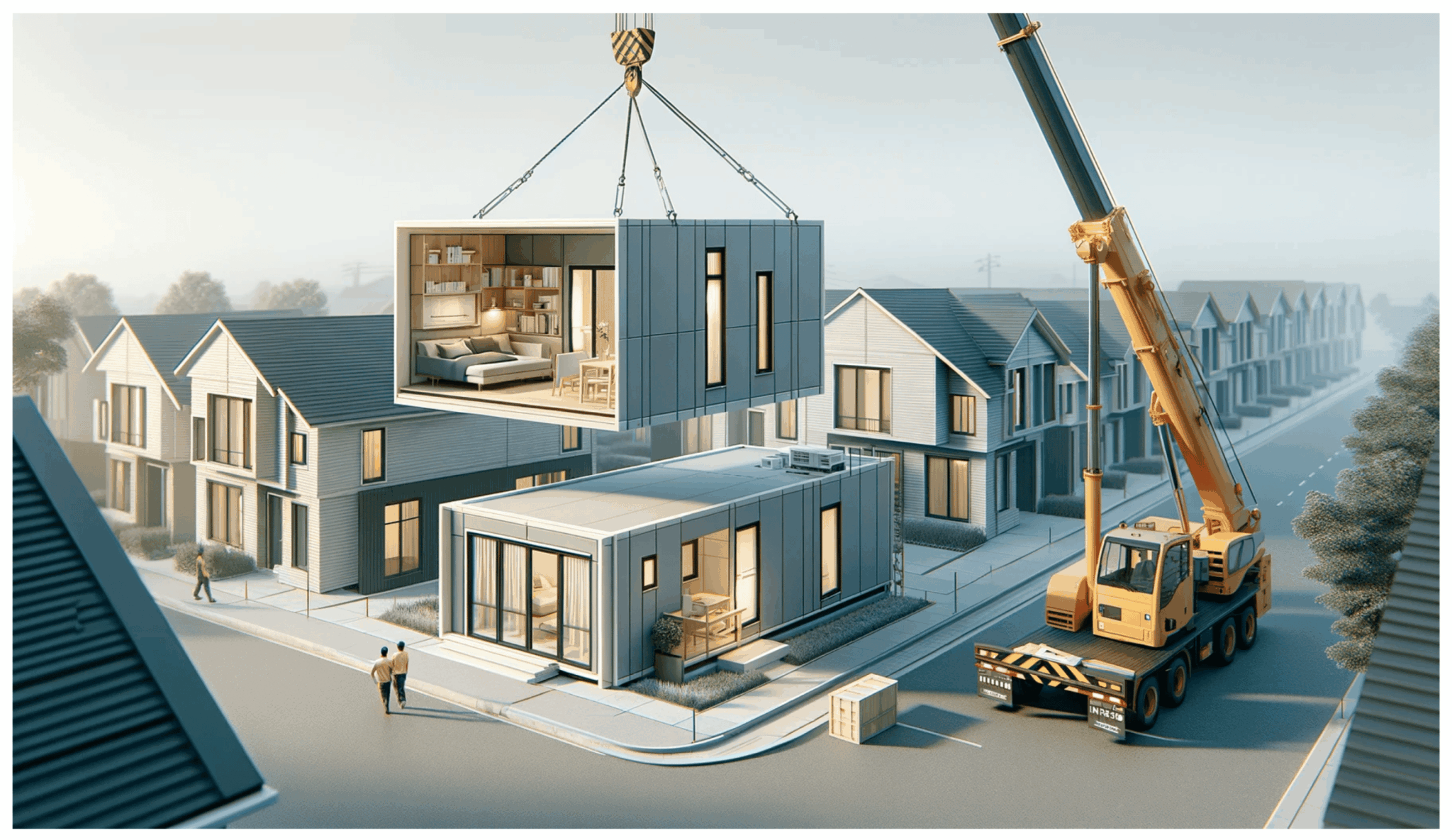
Modular construction is transforming Australia's building landscape, offering faster timelines, lower costs, and sustainable solutions amid a national housing crisis and rapid urbanization. Valued at around USD 11.3 billion in 2024, the sector is set to expand at a 4.22% compound annual growth rate, reaching USD 16.4 billion by 2033, driven by government incentives, labor shortages, and demand for eco-friendly homes. Prefabricated methods cut build times by up to 50%, reduce waste, and enable precise factory-controlled quality, making them ideal for high-pressure regions facing population booms.
This growth aligns with broader construction trends, where the overall market hits USD 318 billion in 2024 and climbs to USD 435 billion by 2034 at 3.2% CAGR, fueled by renewable energy projects, disaster-resilient infrastructure, and affordable housing pushes. In 2025, federal budgets introduced incentives for modular projects, spurring adoption in social housing and regional developments. Companies like Bayleaf Modular Solutions in Queensland exemplify this shift, delivering customizable units that fit diverse needs from family homes to rentals.
New South Wales: Urban Powerhouse Leading the Charge
New South Wales stands at the forefront, with Sydney's population surpassing 5.5 million in early 2025, intensifying demand for high-density housing, schools, and healthcare facilities. Modular techniques shine here, enabling quick delivery of apartments and build-to-rent projects amid sky-high land costs and strict regulations. The state government's pilot for modular social homes demonstrates how off-site construction tackles urban sprawl, delivering units faster with minimal disruption.
Developers favor permanent modular builds, projected to grow at 6.9% CAGR through 2034, incorporating green materials and energy-efficient designs. Sydney's push for sustainable high-rises uses prefabrication to meet net-zero goals, while outer suburbs see granny flats and accessory dwellings proliferate. Bayleaf's customisation options perfectly suit NSW's diverse needs, allowing tailored layouts for compact urban lots or expansive family setups.
Challenges like supply chain hiccups persist, but advanced tech like Building Information Modeling (BIM) and robotics in micro-factories ensure precision. NSW's modular surge not only eases housing shortages but creates jobs in manufacturing, reshaping the workforce from traditional site labor to skilled factory roles.
Victoria: Melbourne's Affordable Housing Revolution
Victoria, particularly Melbourne, is a modular hotspot, with initiatives delivering hundreds of affordable homes ahead of schedule using prefabricated panels and modules. Rapid urbanization demands efficient methods for multi-story apartments and commercial spaces, where modular cuts costs by 20-30% and generates less waste. The 2025 federal budget bolsters regional infrastructure here, aligning with state sustainability mandates.
Melbourne's projects highlight speed: classrooms built off-site install during holidays, minimizing school disruptions, while social housing pipelines address diverse income groups. Prefab excels in Victoria's variable weather, shielding work from rain delays common in traditional builds. Demand spans residential to data centers, with timber-framed luxury units gaining traction for their low carbon footprint.
Bayleaf Modular Solutions supports this growth with versatile designs; explore their NDIS provider page for accessible features ideal for Victoria's inclusive housing needs. As labor shortages bite, Modular's factory focus improves safety and quality, positioning Victoria as a model for nationwide scaling.
Queensland: Brisbane's Disaster-Resilient Boom
Queensland leads with Brisbane's population explosion and vulnerability to floods and cyclones, where modular homes offer superior durability and rapid deployment. The prefab market here grows at a 7.97% CAGR to USD 12.25 billion by 2030, driven by renewable energy hubs like solar farms and battery storage. Humid climates favor off-site methods, avoiding on-site corrosion and delays.
High-demand areas include holiday rentals and family dwellings, with modular units proving popular for Airbnb conversions due to quick setups. Government plans for 1.2 million new homes by 2030 prioritize prefab for remote and regional sites. Bayleaf, based in Minden, QLD, thrives in this environment, offering 2-bedroom modular homes that withstand harsh conditions while maximizing space.
Sustainability shines: modular reduces environmental impact through recycled materials and efficient transport. Brisbane's outer growth corridors see modular clusters for workforce housing near infrastructure projects, blending affordability with modern amenities like insulated walls and open-plan living.
Western Australia: Perth's Remote and Urban Expansion
Western Australia's Perth experiences explosive urban growth, fueling modular adoption for residential suburbs and remote mining camps. Cost savings from factory production appeal amid rising material prices, with state green building policies favoring low-waste methods. Modular aligns with WA's resource-driven economy, delivering quick housing for fly-in-fly-out workers.
Projects emphasize energy efficiency, incorporating solar-ready designs and passive cooling for hot climates. Affordable housing incentives target outer Perth, where land is plentiful but labor scarce. Modular's scalability supports everything from single 1-bedroom units to larger family configurations.
WA's market benefits from national trends like AI-driven factories, enhancing precision for luxury modular homes. As population pressures mount, modular reshapes architecture, offering bespoke designs without traditional timelines.
National Trends and Future Outlook
Australia-wide, modular addresses housing challenges through speed, affordability, and sustainability, with adoption rising in education, healthcare, and commercial sectors. Technologies like 3D printing and automation promise even faster delivery, while policies combat shortages. Bayleaf Modular Solutions, with its gallery of real projects, positions itself as a key player, serving high-demand regions from Queensland roots.
For investors and builders, these regions offer prime opportunities: NSW for density, Victoria for innovation, Queensland for resilience, and WA for scale. As 2025 progresses, modular's momentum will accelerate, redefining Australian living spaces for generations.